The Role of the Emperor
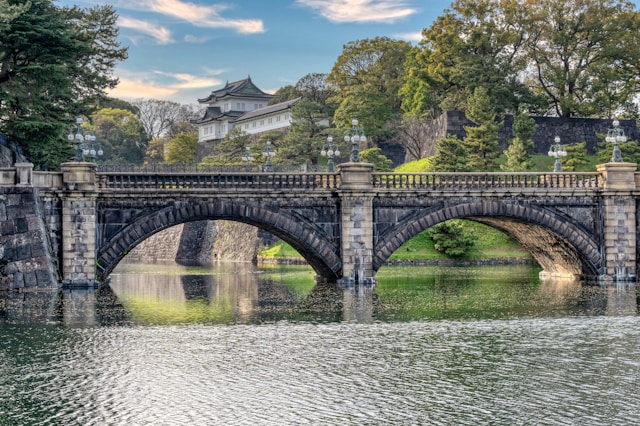
The Emperor plays a central role in understanding Japan. For much of its history, Japan developed around the imperial institution, so learning about the Emperor provides valuable insight into Japanese culture and society.
Today, the Emperor serves as the symbol of the State and the unity of the people of Japan. Unlike kings in some countries, the Emperor does not hold political power.
The World’s Longest-Continuing Monarchy
The current Emperor is counted as the 126th in line, traditionally beginning with Emperor Jimmu, who is said to have ascended the throne in 660 BC. This date comes from ancient historical texts such as the Nihon Shoki and is not considered historically certain.
Historians generally agree that verifiable records of emperors begin around the 6th century. Even so, Japan’s imperial line is widely regarded as one of the longest continuous monarchies in the world.
From Political Power to Symbolic Role
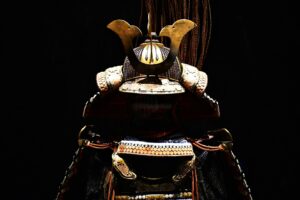
In ancient times, the Emperor held political authority. However, in the 12th century, samurai governments (shogunates) took control of political power.
This system continued for several centuries until the Meiji Restoration in the late 19th century, when power formally returned to the Emperor. After World War II, Japan adopted a new constitution, and the Emperor became a symbolic figure without political authority.
The Influence of Shinto Beliefs
Even during the samurai era, the Emperor remained a highly respected figure. One key reason lies in Shinto, Japan’s indigenous belief system.
In Shinto, many deities are worshipped, and among them, Amaterasu, the sun goddess, holds special importance. The imperial family is traditionally believed to descend from Amaterasu, which has led people to regard the Emperor as a sacred figure.
Coexistence with Samurai Rule
Although the samurai held political power, they did not abolish the imperial family. Instead, they governed while respecting the Emperor’s authority as a source of legitimacy.
This coexistence reflects cultural values that Japanese people have long emphasized, such as harmony and respect.
The Emperor in Modern Japanese Life
In Japanese education, the Emperor appears throughout the study of history, regardless of the period.
As a result, many Japanese people see the Emperor as a familiar and continuous presence rooted in the nation’s long history.
Originally published on Apr. 17, 2026