Introduction
In this article, I would like to share one cultural difference I noticed between Japanese and Western movie theaters.
By “Western countries,” I mean the United States and the United Kingdom, where I have watched movies myself. These two countries represent Western culture in many ways, so I think people in other Western countries may have similar habits.

Different Ways to Enjoy a Movie
One thing that surprised me in American movie theaters was how openly people showed their emotions. Some people laughed loudly during the movie. Others even talked to the screen. At the end of some movies, the audience applauded.
I think these are natural ways to express enjoyment and excitement. In Japan, however, I rarely see this. Of course, some people laugh during a movie, but they are often foreign visitors.
The Biggest Cultural Difference
These differences are interesting, but the biggest cultural difference I noticed came after the movie ended. Here, I mean the moment when the story ends, not when the end credits finish.
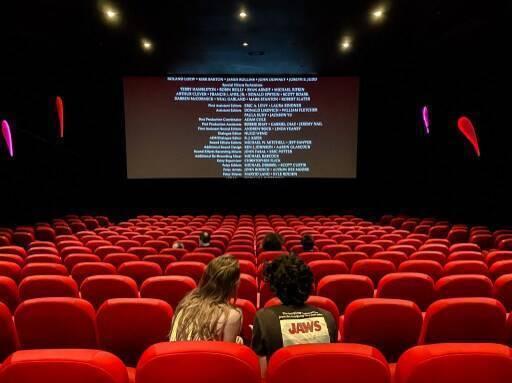
After the story, a long list of cast members, filmmakers, filming locations, and songs appears on the screen. The end credits often last about five minutes. In the United States and the United Kingdom, however, only a few people stay until the end. Most people stand up and leave while the credits are still rolling.
My First Experience
The first time I saw this in an American movie theater, I found it very strange. As soon as the end credits started, people around me stood up and left one after another. I watched them leave while the credits were still rolling, and I kept asking myself, “Why?”
I had the same experience in the United Kingdom. One day, I watched a movie in a small theater with only about ten people. When the credits ended and the lights came on, I looked around and realized that everyone else had already left.
What Happens in Japan?
In my experience, most people in Japan stay in their seats until the end credits finish. Some people leave early, but they are usually foreign visitors. Even when Japanese people leave before the credits end, they are a very small minority.
Why do Japanese people stay until the end? I have thought about this question and came up with three possible reasons.
1. They Want to Check the End Credits
For movie lovers, this is probably natural. They want to know who appeared in the movie. They may discover an actor they did not notice during the film. They may also want to know where the movie was filmed or what songs were used. This seems natural to me. However, perhaps this way of thinking is more common in Japan.
Japanese people often pay attention to small details, and this may be one reason. Do people in the United States and the United Kingdom care less about these things? From my experience, the answer seems to be yes. For many people there, the information in the end credits is simply not an important part of the movie.
2. They Want to Stay with Their Feelings
I think this is one of the biggest reasons. After watching a wonderful or moving movie, many people do not want to leave their seats right away. They want to stay with the feelings the movie has left behind.
In this case, the information in the end credits is not very important. The credits simply give them a little more time to enjoy those feelings. I feel that this desire to stay with those feelings has something in common with the Japanese idea of wabi. Both value the quiet feeling that remains after something beautiful has come to an end.
3. They Do Not Want to Disturb Other People
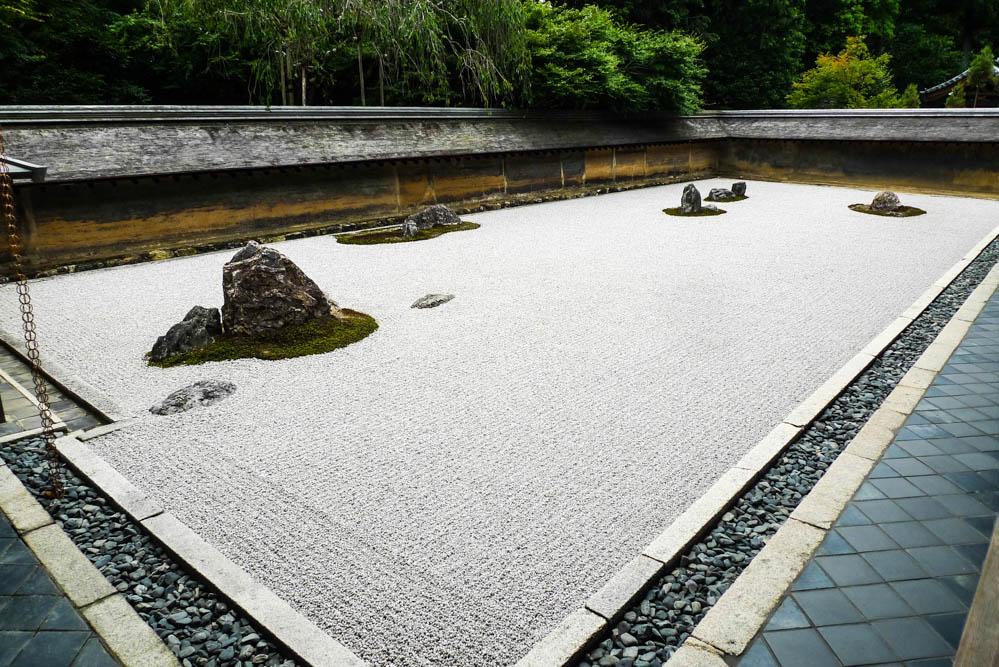
I think this is another reason. In Japan, people generally believe that a movie theater should be a quiet place. If someone stands up while the credits are still rolling, they may disturb people who are still watching. Because of this, many people hesitate to leave early.
I think this reflects another important part of Japanese culture. Many Japanese people try not to cause trouble or inconvenience for others.
Conclusion
These are my thoughts on one cultural difference between Japanese and Western movie theaters. In Japan, many people stay quietly in their seats until the end credits finish. To me, this is another interesting example of Japanese culture.
Originally published on Jul 16 2026