Understanding Religious Beliefs
When we talk about religion, it is important to understand what or who people worship. This helps us understand the religion itself.
Two religions are particularly important for understanding Japanese religious culture: Shinto and Buddhism. Shinto is a traditional religion that developed in Japan. Buddhism began in India and reached Japan in the 6th century after spreading to other parts of Asia.
God in Christianity and Islam
In some religions outside Japan, the concept of God is clearly defined. In Christianity, God is called “God.” Jesus Christ is believed to be the Son of God and also God himself.
In Islam, the one God is called “Allah.” Both Christianity and Islam are religions that believe in one God.
The Buddha in Buddhism
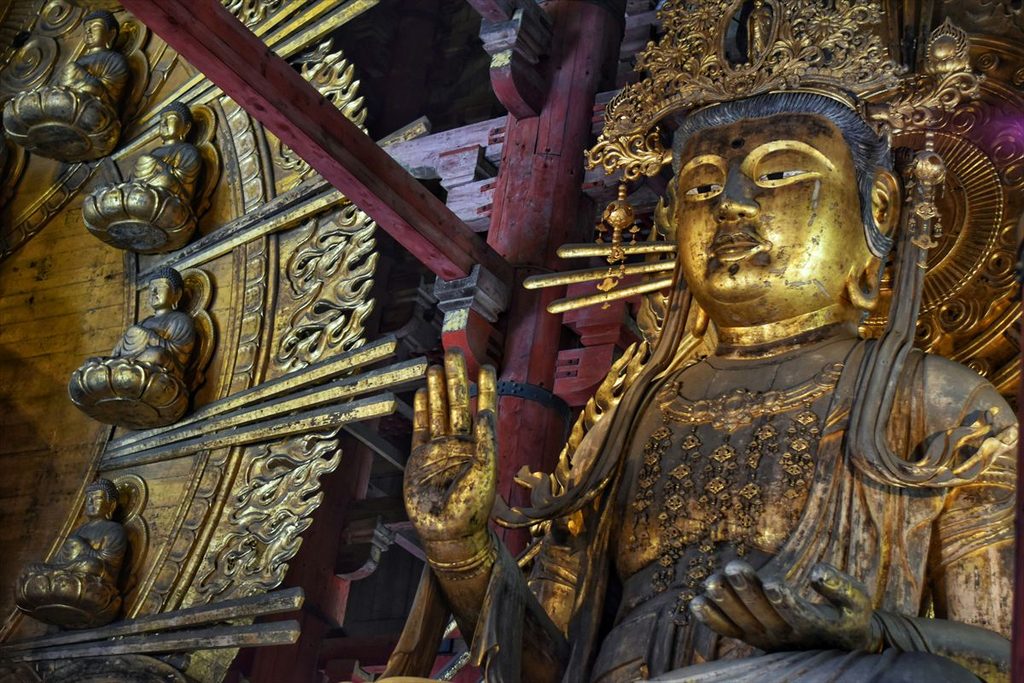
Next, let us consider Buddhism. Buddhism was founded in ancient India by Gautama Siddhartha. He attained enlightenment and came to be known as the Buddha.
Attaining enlightenment is important in Buddhism. However, the position of the Buddha in Buddhism differs from that of the one God in Christianity and Islam.
In Mahayana Buddhism, not only Shakyamuni but also other Buddhas, such as Amida Nyorai and Yakushi Nyorai, are worshipped as Buddhas.
The Deities of Shinto
Next, let us look at Shinto.
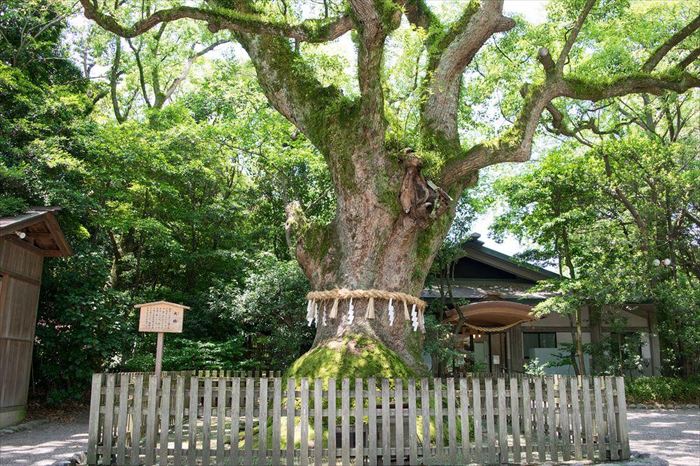
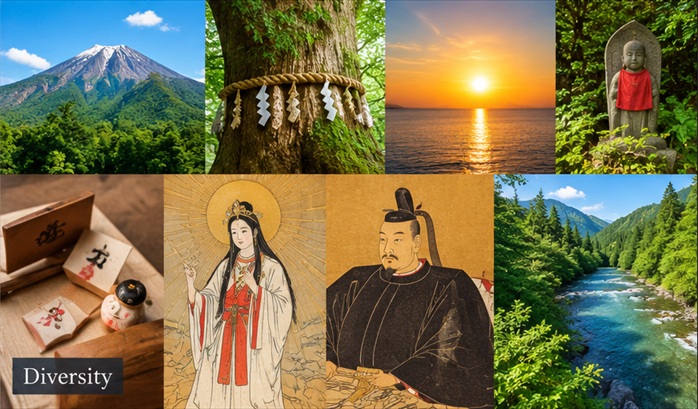
Shinto has a close connection with nature. People find sacred qualities in natural things such as mountains, rivers, trees, and rocks, and show respect for them. This belief in nature is one of the important features of Shinto.
In addition, the deities who appear in Japanese mythology are also objects of worship. One example is Amaterasu Omikami. This deity appears in the Kojiki and the Nihon Shoki, two texts compiled in the 8th century. Amaterasu is regarded as the ancestral deity of the Imperial Family.
Historical figures have also been enshrined as deities. For example, Tokugawa Ieyasu is enshrined at Nikko Toshogu Shrine, and Toyotomi Hideyoshi at Toyokuni Shrine. Meiji Jingu is dedicated to Emperor Meiji.
Shinto Shrines and Their Deities
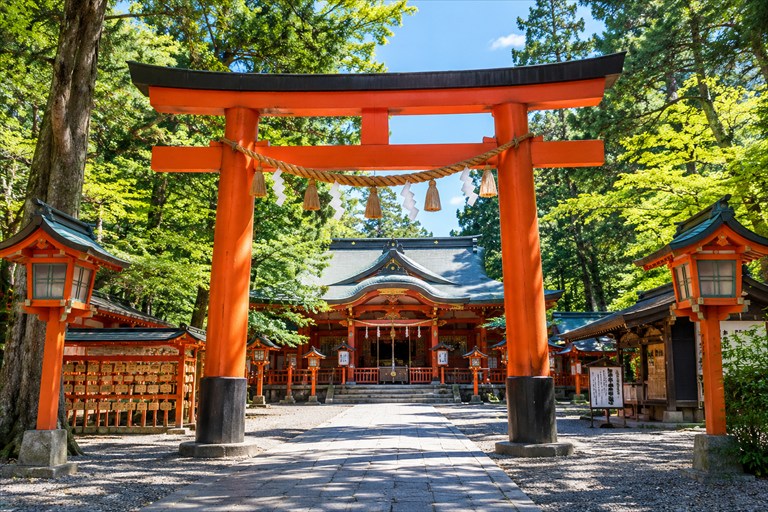
In Shinto, places where deities are enshrined are called shrines. Japan is said to have about 80,000 Shinto shrines, and the deities enshrined at each shrine differ.
Some shrines enshrine several deities, while the same deity may be enshrined at several different shrines. In this way, Japan has a wide variety of deities, each worshipped at different shrines.
Yaoyorozu no Kami: Countless Deities
In Japan, there is a concept known as Yaoyorozu no Kami, which means countless deities.
In Shinto, people find sacred qualities in nature. Japan also has a custom of holding memorial services for things such as needles and dolls that have been used for many years.
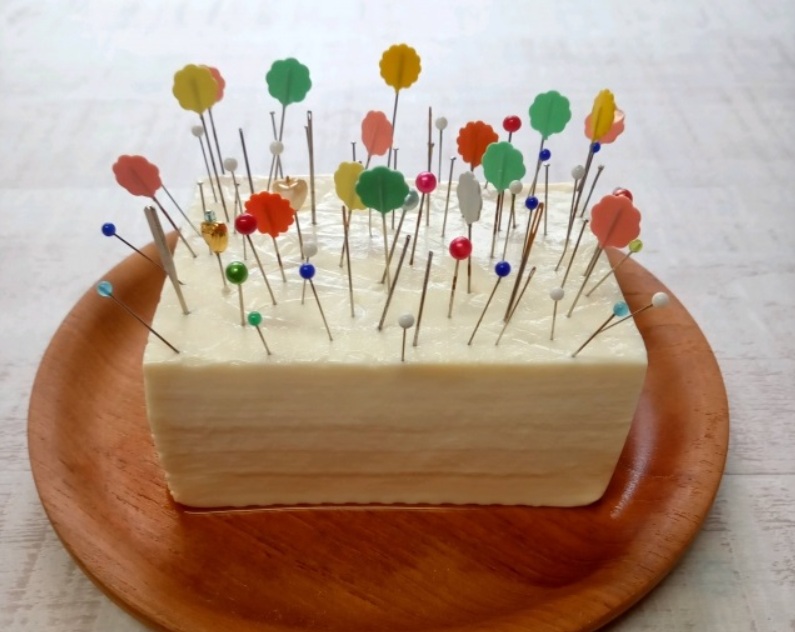
These customs reflect the idea of being grateful for familiar objects and continuing to treat them with care even after they have served their purpose.
Why Use the Word “Deity”?
As we have seen, Shinto has a wide variety of deities. When describing these deities in English, the word “deity” is appropriate.
The word “God” is often used to refer to the one God in religions such as Christianity. However, when explaining the many different deities of Shinto, the terms “deity” and “Shinto deities” are useful.
Understanding the Japanese View of Religion
To understand traditional Japanese religious beliefs, we need to look beyond the idea of a single, absolute God. We also need to consider the idea of finding sacred qualities in a wide variety of things, including nature, familiar objects, and historical figures.
Using the word “deity” to describe Shinto deities in English is one way to convey this diversity.
Originally published on Oct 28 2026
