Japan has an excellent public transportation system. It includes trains, subways, and buses. Whenever I travel abroad, I realize how remarkable Japan’s system really is.
What makes it so good? It is punctual, clean, safe, and highly reliable. When I travel around Tokyo with visitors from overseas, they are often surprised by how well everything works.
Punctuality
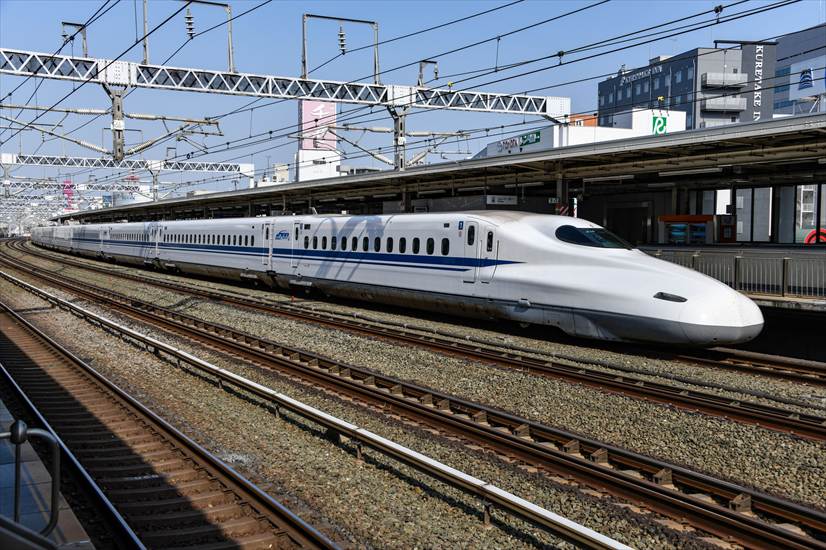
One of the best examples is the Shinkansen, Japan’s bullet train. The train arrives before the scheduled departure time shown on the electronic display board. It then leaves exactly on time. For Japanese people, this may seem normal, but many visitors find it amazing. Only a limited number of places in the world can manage transportation at this level.
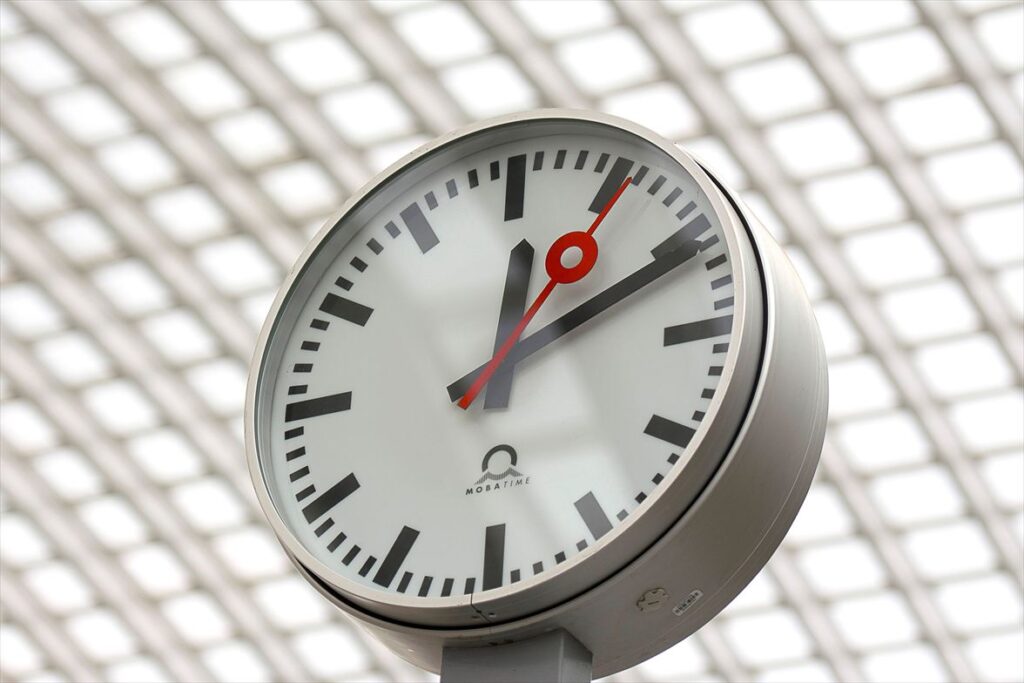
Of course, trains should not be late. However, it is also important that they do not leave early. I once missed a bus in a European country because it departed ahead of schedule. That experience taught me something. The real achievement is not being early or late. It is being exactly on time.
Cleanliness
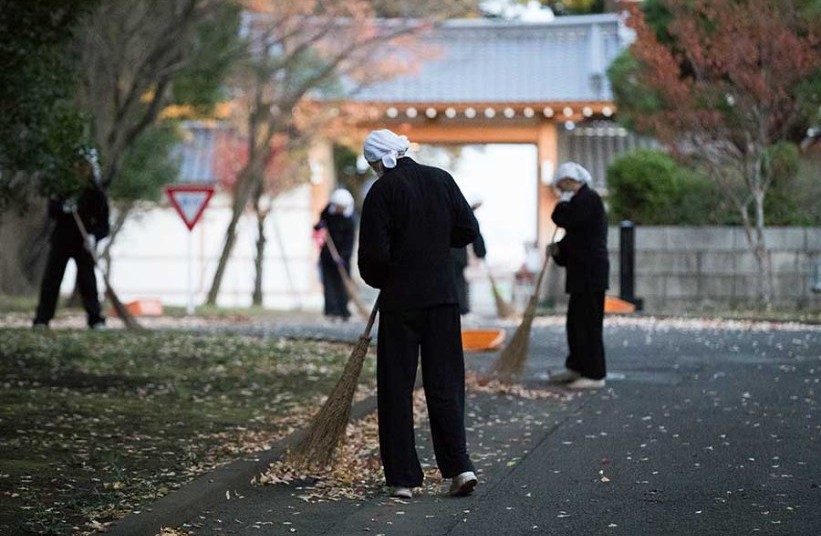
Another notable feature is cleanliness. In my opinion, this may be related to the influence of Japan’s two major religions, Shinto and Buddhism. Shinto places great importance on purification. Buddhism often regards cleaning as a form of practice. I feel that these cultural traditions still influence daily life in Japan.
Most Japanese people do not think of themselves as particularly religious. However, ideas about cleanliness and the habit of cleaning remain deeply rooted in society.
Safety
Safety is another important characteristic. This is not only about public transportation. Japan is generally a safe country. However, I feel there is a noticeable difference when compared with public transportation in countries where people mainly rely on cars.
When I visit the United States, people often tell me not to sit in the back of a bus. They also recommend choosing a subway car with many passengers. In Japan, people rarely think that way. Instead, many people prefer less crowded areas. They may move to the back of a bus or choose the first or last train car because there are fewer passengers.
Of course, every country has its own social background, so simple comparisons are difficult. Still, safety is something that many people in Japan simply expect.
Reliability
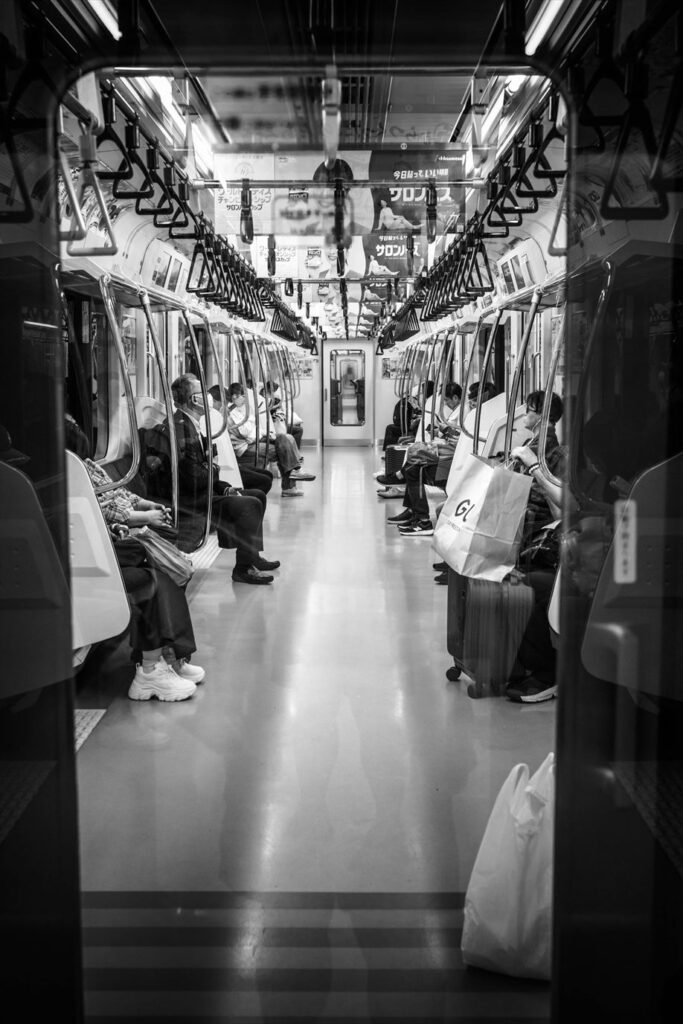
Another point is reliability. Most Japanese people do not expect public transportation to break down in daily life. There is a strong belief that services used by the public should maintain a high level of quality. I think this idea may also come from Japanese culture.
One important value in Japan is not causing trouble for others. If a train or bus stops because of a problem, it wastes people’s valuable time and creates inconvenience. Many Japanese people feel that this is something they should avoid.
A Remarkable Megacity
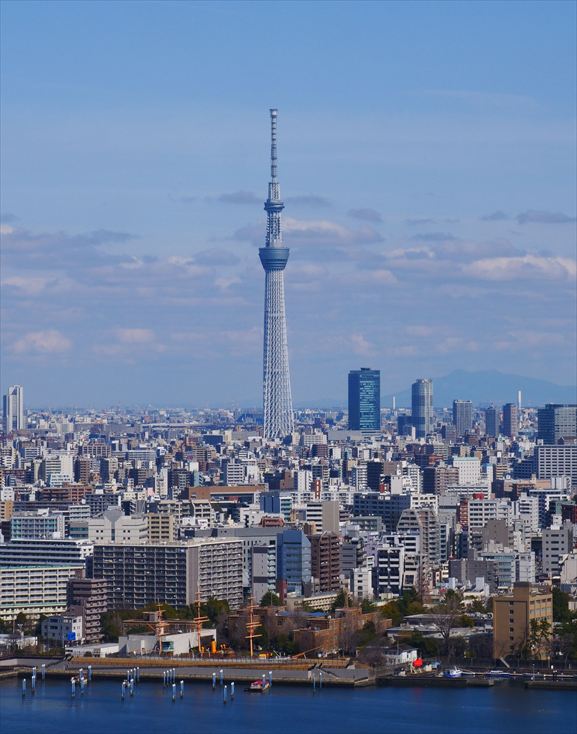
This may be slightly off the topic, but I sometimes think about the Greater Tokyo Area. The region has a population of around 37 million people. It is one of the largest metropolitan areas in the world. Yet it functions remarkably well.
As someone who has traveled extensively overseas, I often find this almost miraculous. I believe the four qualities mentioned above—punctuality, cleanliness, safety, and reliability—play an important role in making such a huge urban area work smoothly.
A Different Perspective
Finally, I remember a conversation with a Japanese person who had lived in the United States for many years.
He told me:
“Japanese people complain even when a train is only a few minutes late. I think that’s strange. Train fares in Japan are quite low. People should be grateful that they can travel so conveniently at such a reasonable price.”
His comment made me think. This topic leads to a broader discussion about Japanese culture. I would like to explore that subject in a future article.
Originally published on Jun 19 2019