Wa-kei-sei-jaku (和敬清寂)
If someone asked me what words best describe Japanese culture, I would immediately put Wa-kei-sei-jaku on the table. I do not think there are many words that describe Japanese culture as clearly as these four words.
Wa-kei-sei-jaku expresses the spirit of the tea ceremony. I explain the basics in my article about the tea ceremony. Here, I would like to explain in a little more detail why I think these four words also describe Japanese culture so well.

Wa (和) – Harmony
First, Wa. I think this may be the best word to describe a characteristic of Japanese people. Wa means “harmony”. Harmony means, broadly speaking, harmony between people and nature, and between people.
Japan is surrounded by rich nature, but it also experiences many natural disasters. I think this has something to do with the relationship between people and nature. People cannot control the power of nature. Therefore, I think people have developed the idea that they need to live in harmony with nature.
When people face a disaster caused by the power of nature, they cannot overcome a difficult situation without helping each other. Therefore, people need to cooperate with each other, and harmony between people becomes important.
Rice and Harmony
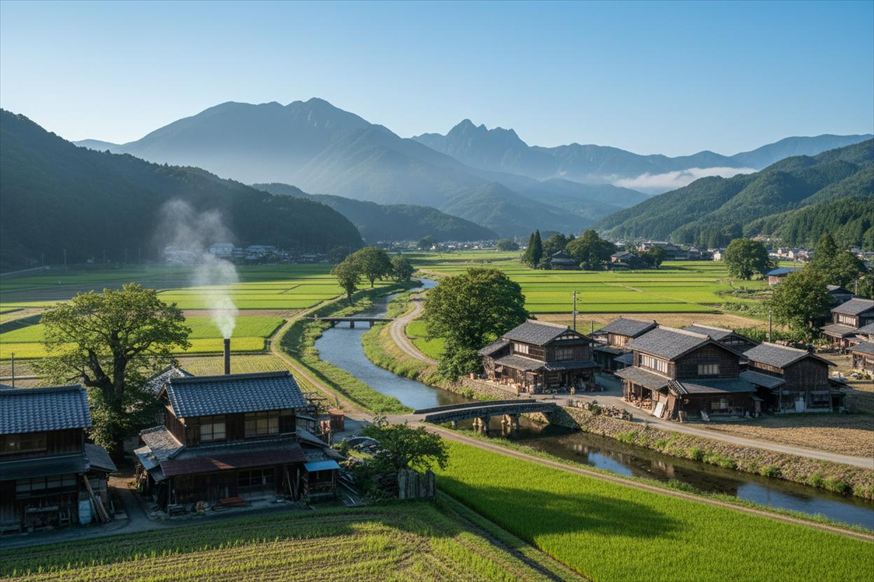
Another point comes from Japanese history. Rice farming was an essential part of life. Rice is the staple food of Japan and an essential part of everyday life. Growing rice requires many steps. People need to grow rice seedlings, bring water into the rice fields, plant the seedlings, and harvest the rice after it has grown.
This is a large-scale process, so one person cannot do it alone. People need to work together. I think this created a background in which harmony between people became essential.
Kei (敬) – Respect
Next comes Kei. It means “respect”. Usually, when we use the word respect, we mean respect for other people. In Japan, however, people also show respect for nature and for things. I think this has something to do with Shinto, a religion that developed in Japan, and its many gods.
In Shinto, gods can take many forms. They can be mountains, stones, trees, rivers, and people who appear in myths. People often talk about Yaoyorozu no Kami (八百万の神), or “eight million gods.” This does not mean that there are exactly eight million gods. It means that there are countless gods.
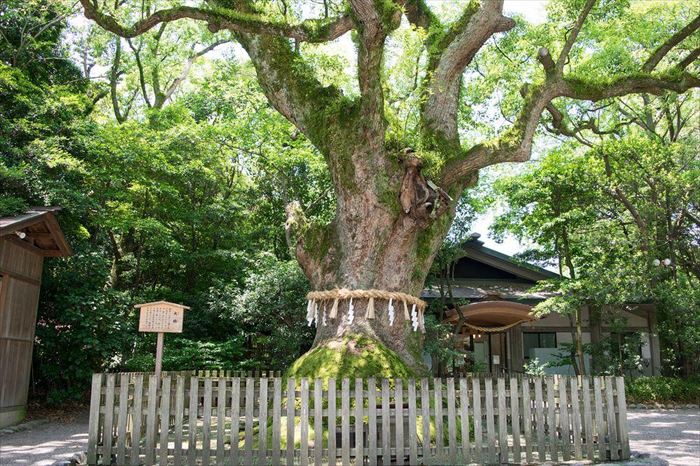
For example, gods are also said to exist in things around us, such as houses, boxes, cloth, needles, and dolls. I think this connects to the Japanese feeling that we should not treat things carelessly and that we should take good care of our tools.
Sei (清) – Purity
Next comes Sei. It means “purity”. Many people who visit Japan say, “The streets are clean.” Even in a huge city like Tokyo, you do not often see garbage scattered along the streets. They also say that shops and restaurants are clean.
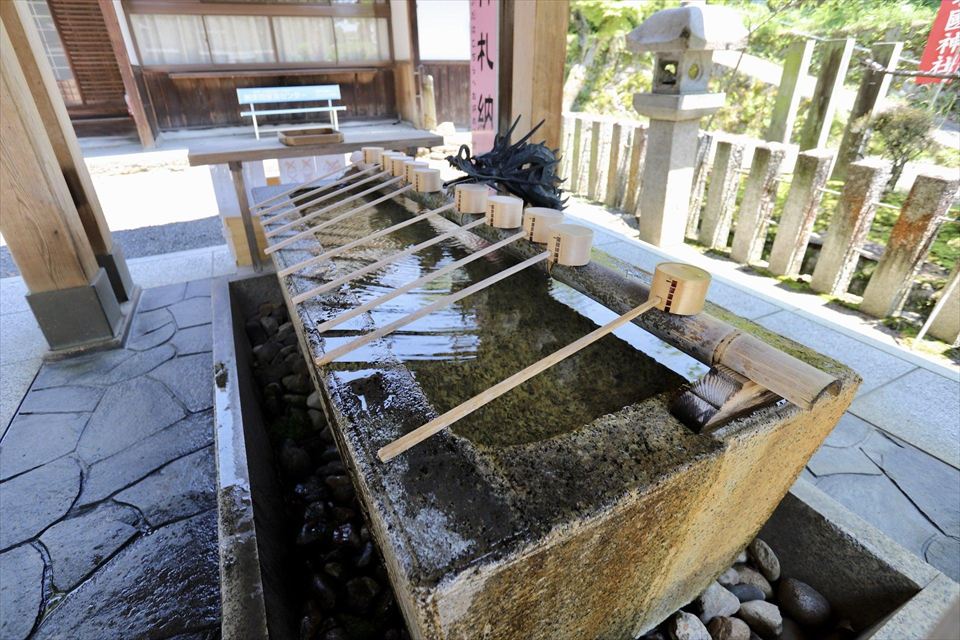
I think religion has something to do with this sense of purity. One influence is Shinto. Purification is important in Shinto. At a shrine, there is a temizuya, where people wash their hands and rinse their mouths before they pray. Tea rooms and tea gardens also have a tsukubai, where people wash their hands and rinse their mouths.
Another influence is Buddhism. Buddhism aims for enlightenment, and people practice in many ways to reach it. Cleaning has also been part of Buddhist practice. In this way, cleaning has become a habit.
I think this is one reason why Japanese people make cleaning their surroundings part of their daily lives, and why public places are also kept clean.
Purity of the Mind
Actually, Sei has another meaning. It also means purity of the mind. I think it is important to keep our hearts pure. This also connects with the Wa and Kei of Wa-kei-sei-jaku.
In other words, keeping our hearts pure means maintaining harmony with the people around us and showing respect for them.
Jaku (寂) – Tranquility
Finally, Jaku. It means “tranquility”. Personally, I think this is the most distinctive part of Japanese culture. For example, you can understand this when you ride a train in Japan. The inside of the train is very quiet. Even on a crowded subway in Tokyo, it is quiet. Very few people talk. And even when people talk, they usually do not speak loudly.
Do Not Disturb Others
Actually, this also connects with the first word, harmony. People stay quiet on trains in order to maintain harmony with others. In Japan, people place great importance on not causing trouble for the people around them. Parents teach their children, “Do not cause trouble for other people.”
Tranquility in Japanese Culture
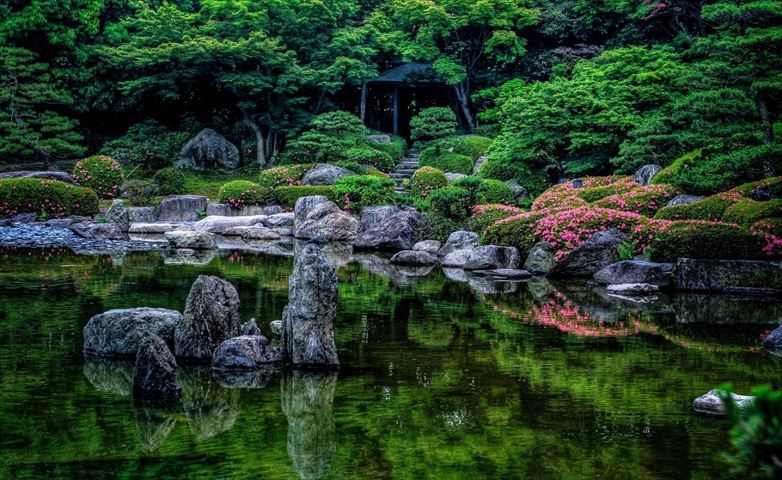
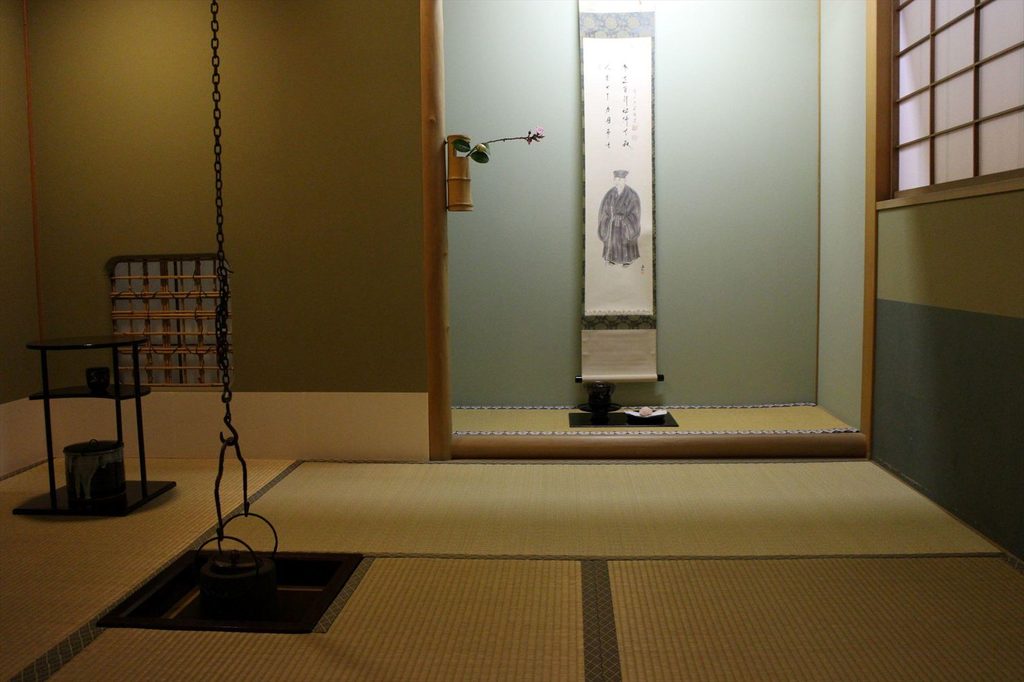
Another important part of Jaku is its cultural meaning. Traditional places such as shrines, temples, tea rooms, and Japanese gardens value silence and tranquility. I think this has something to do with these places being places where people can calm their minds.
For people who are worried, troubled, or suffering, Jaku is needed so that they can step away from their situation and calm their minds. In Japan, when a situation becomes difficult, people often first say, “Calm down.” I feel that calming the mind may also be related to getting closer to enlightenment in Buddhism.
The Silence of Nature
Finally, Japan is surrounded by nature. People like to place themselves in front of an empty sea or deep in the mountains and spend time in that silence. I think this shows harmony with nature and respect for nature. To achieve this harmony and respect, people keep themselves clean, both inside and out, and create a peaceful environment.
Wa-kei-sei-jaku and the Tea Ceremony
If we apply Wa-kei-sei-jaku to the tea ceremony, a tea room becomes a place where people live in harmony with each other, respect the tea utensils, clean the space, and share a quiet moment together.
When you travel in Japan, I think it can be interesting to remember these four words from time to time and think about which of the four words you can see in each situation.
Originally published on Sep 5 2026