Origins and Arrival in Japan
Buddhism is one of the world’s three major religions. It began in India and later spread to Japan through China and the Korean Peninsula. It reached Japan in the 6th century, usually dated to either 538 or 552.
Acceptance of Buddhism
At that time, people in Japan argued about whether to accept Buddhism. Shotoku Taishi (Prince Shotoku) and the Soga clan supported it, while the Mononobe clan opposed it. One reason for the opposition was that Japan already had its own native belief system, Shinto. In the end, the supporters won, and Buddhism became established in Japan.
A Well-Known Historical Figure
Many Japanese people know Shotoku Taishi very well, because students learn about him early in school. So if you say, “I know Shotoku Taishi,” most Japanese people will understand you.
Development and Samurai Influence
After that, Buddhism developed in its own way in Japan. Many different schools appeared, and people widely practiced them. During the age of the samurai, when people often faced death, Buddhism played an important role as spiritual support. Zen Buddhism, in particular, became popular among samurai. It teaches self-discipline and mental focus through meditation, known as zazen.
Temples and Core Teachings
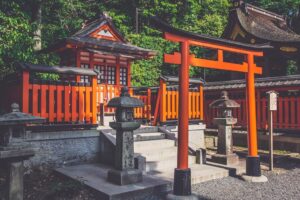
Buddhist temples are important places in this religion. People visit temples to pray, but monks mainly use them for training. One key idea in Buddhism is that life includes suffering. People practice and train to overcome this suffering and reach enlightenment.
Meaning of Buddhist Statues
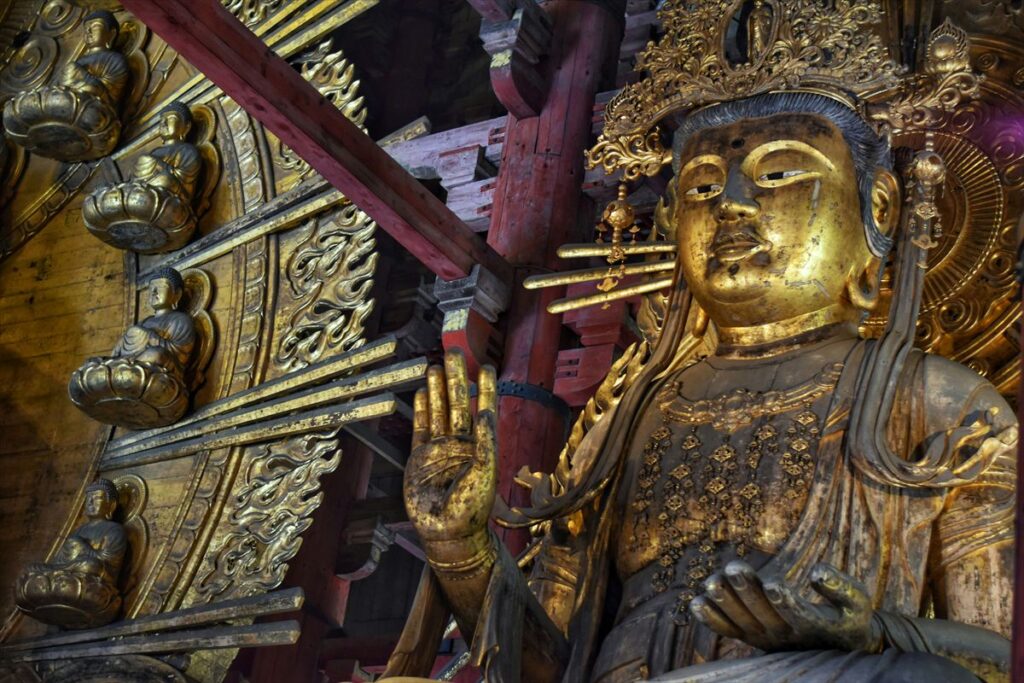
You can often see Buddhist statues in temples. These statues do not represent a god. Instead, they show an ideal human who has reached enlightenment and can guide others. For example, statues of Gautama Buddha (Shaka) show him after he reached enlightenment. People look at these statues to learn how to follow the same path.
Influence on Japanese Culture
Buddhism, especially Zen, has influenced many parts of Japanese culture. Tea ceremony, flower arrangement, ink painting, gardens, and architecture all reflect Zen ideas.
Easy Topic for Conversation
Because Japanese people learn about Buddhism and its culture in school, it is often easy to start a conversation by mentioning a famous statue or cultural practice.
Originally published on Apr 1, 2026
Last updated on Apr 11 2026