Origins and Concept of Kami
Shinto is a religion that originated and developed in Japan. The concept of “kami” (gods or spirits) in Shinto is highly diverse, and as expressed in the phrase “yaoyorozu no kami” (eight million gods), it is believed that there are countless deities.
Diverse Objects of Worship
The objects of worship vary widely. Many are associated with nature, such as mountains, rivers, lakes, trees, and rocks. However, this is not all—mythological beings, symbolic entities, and historical figures may also be enshrined as kami. In such cases, not only the person themselves but also their achievements and spirit may be deified.
Shrines and Goshintai
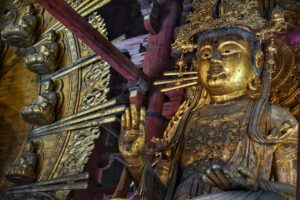
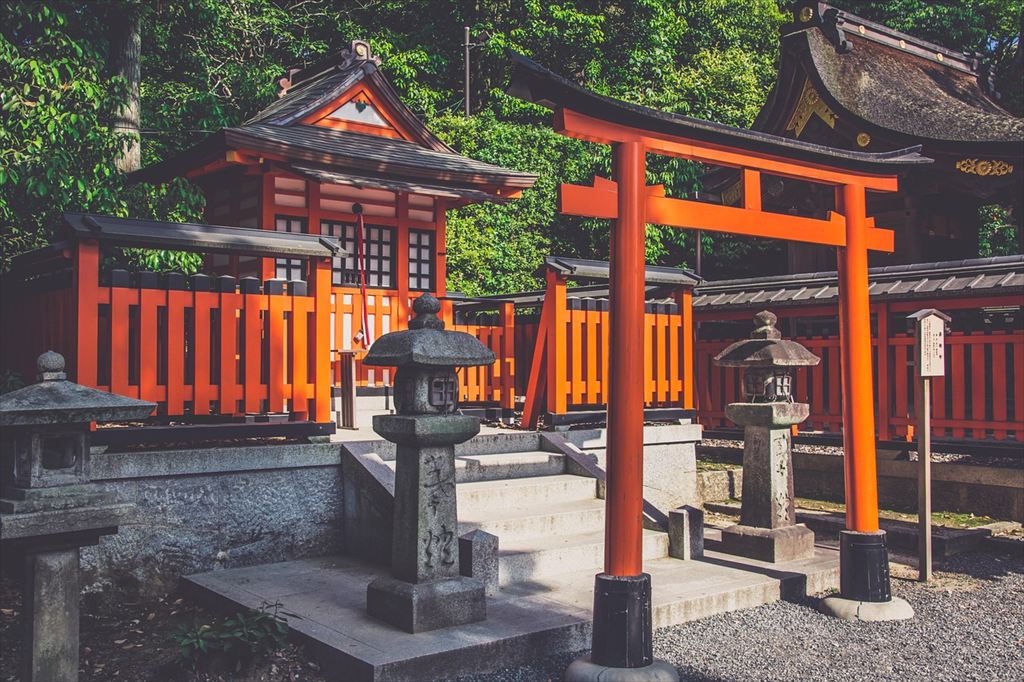
Places where kami are worshipped are called shrines. In contrast to religions like Buddhism, Shinto shrines usually do not have statues of gods in human form. Instead, kami are believed to reside in particular objects or places. These may include natural surroundings or sacred objects. Items such as mirrors, swords, and jewels can serve as vessels for kami and are called “goshintai”.
The Three Sacred Treasures
It should be noted that mirrors, swords, and jewels are also known as the “Three Sacred Treasures”, which are special imperial regalia passed down within the Japanese imperial family. These are distinct from the sacred objects enshrined in ordinary shrines, although similar items may still be used as goshintai.
Relationship with the Emperor
Shinto is closely connected to the Emperor. According to mythology, the sun goddess Amaterasu is considered the ancestor of the imperial line, and her descendants are believed to have continued to the present day. For this reason, the Emperor was historically regarded as sacred, and there was a belief that he was a living deity (“arahitogami”). However, under the Constitution of Japan, the Emperor is defined as the “symbol of the State and of the unity of the people” and does not possess political power.
Purification and Life Rituals
Purification is an important concept in Shinto. Death is considered a form of impurity and is often ritually avoided. In contrast, life events and milestones are emphasized and celebrated through various rituals. For example, “Omiyamairi” marks a newborn baby’s first visit to a shrine, and there are also Shinto wedding ceremonies.
Festivals (Matsuri)
Festivals (“matsuri”) are central to Shinto practice. They are held to honor the kami and to pray for happiness and prosperity. Originally, many festivals were tied to agriculture, especially prayers for a good rice harvest. Today, festivals are held throughout Japan, often featuring portable shrines (“mikoshi”), though customs vary by region.
Originally published on Apr. 9 2026
Last updated on Apr. 11 2026