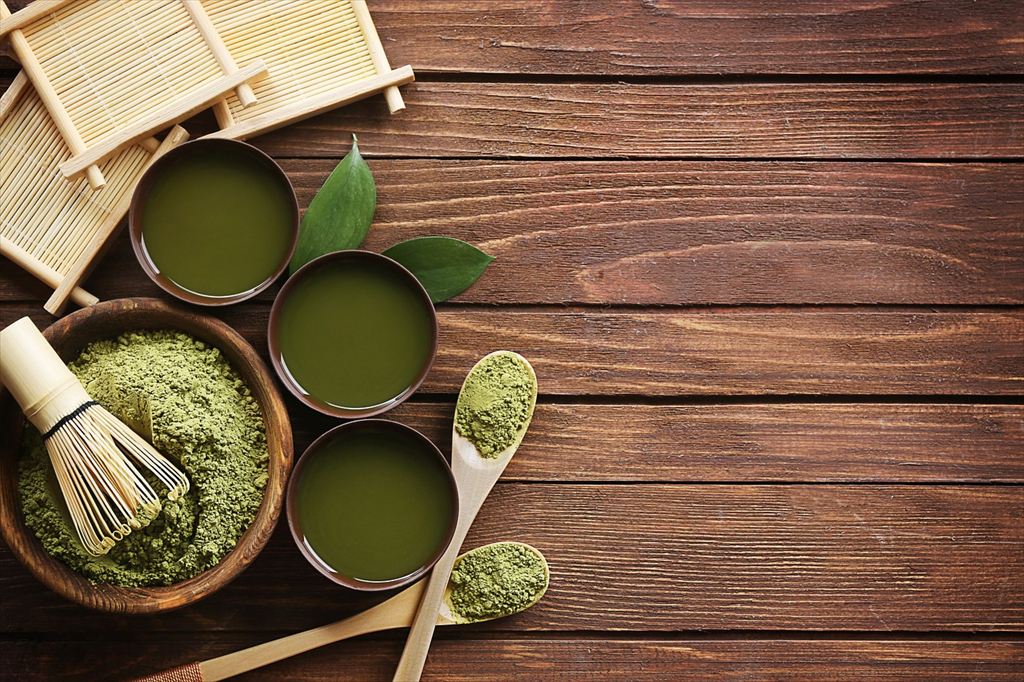
The tea ceremony is a traditional Japanese cultural practice that was perfected in the 16th century by Sen no Rikyu. At its simplest, it involves preparing and drinking tea. However, it goes far beyond that, encompassing spirituality, etiquette, and aesthetics as a comprehensive cultural system.
In the tea ceremony, a host prepares tea and serves it to the guest, who then receives and drinks it. More than the final act of drinking tea, participants value the entire process.
The Philosophy of “Wa-Kei-Sei-Jaku”
The spirit of the tea ceremony is expressed through the concept of “Wa-Kei-Sei-Jaku.” These four principles mean harmony, respect, purity, and tranquility. Together, they represent the idea of: living in harmony with people, objects, and space, while maintaining respect, purity, and calm mind.
Harmony (Wa)
Harmony refers not only to relationships between people but also to harmony with nature. In Japan, people traditionally value maintaining good relationships and avoiding conflict. This mindset extends beyond the tea ceremony and also appears in Shinto beliefs.
Respect (Kei)
Respect means showing consideration and appreciation toward others. Because Japan has experienced many natural disasters, people have long held a sense of reverence for nature. As a result, they tend to accept rather than resist both nature and others. This perspective is key to understanding Japanese culture.
Purity (Sei)
Purity refers to both external and internal cleanliness. Externally, it involves physical cleanliness, such as cleaning and organizing. This reflects the influence of purification practices in Shinto and cleaning as a form of Buddhist discipline. Internally, it means keeping one’s mind pure and clear.
Tranquility (Jaku)
Tranquility represents a calm and composed state of mind. In Buddhism, the ultimate goal is enlightenment, a state in which one is free from attachment and emotional disturbance. The tea ceremony closely relates to this idea and is strongly influenced by Zen Buddhism.
The Tea Room and the Meaning of the Nijiriguchi
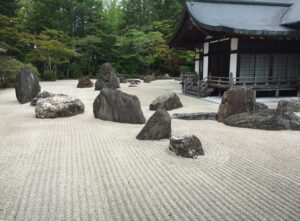
People can experience the tea ceremony in various locations. The space where it takes place is called a tea room, often found in temples and Japanese gardens. A traditional tea room features a small entrance called a nijiriguchi, typically about 60–70 cm high. Guests must bend down to enter, and this action expresses humility.
The nijiriguchi also symbolizes equality. Regardless of social status—whether samurai or merchant—everyone must enter in the same way, which removes social distinctions within the tea room. Additionally, samurai had to leave their swords outside, ensuring that the space remained peaceful and free from conflict.
At the same time, the nijiriguchi serves as a symbolic boundary between the everyday world and the spiritual space of tea. By passing through it, guests leave behind the outside world and enter a place of quiet reflection. In this sense, the nijiriguchi is not just an entrance, but a device that allows participants to physically experience the principles of humility, equality, and peace.
Originally published on Apr. 14, 2026