What Is Zen?
Zen is a branch of Buddhism, known as Zen Buddhism. It originated in India, spread to China, and reached Japan in the 12th to 13th centuries. In Japan, it developed mainly among the samurai class and gradually formed its own unique style.
Zazen: Seated Meditation
When people think of Zen, they often think of zazen, or seated meditation. In this practice, people sit cross-legged, keep their backs straight, and focus on their breathing. By doing so, they clear away distracting thoughts, calm their minds, and reflect on themselves. During periods of frequent warfare, when death felt close, samurai relied on zazen to maintain mental discipline and emotional control.
Zen in Modern Life
Zazen shares similarities with modern ideas of mindfulness. In today’s stressful society, many people practice it to relax and regain mental balance. In Japan, temples offer zazen experiences not only for monks but also for ordinary visitors. Well-known places include temples in Kamakura such as Kencho-ji and Engaku-ji.
Influence on Japanese Culture
Zen has deeply influenced many aspects of Japanese culture, including the tea ceremony, flower arrangement, ink painting, gardens, and architecture. Among these, the tea ceremony plays a particularly important role in shaping Japanese aesthetics and values.
The Spirit of “Wa-Kei-Sei-Jaku”
The philosophy of the tea ceremony is often expressed through the phrase “Wa-Kei-Sei-Jaku”, which means harmony, respect, purity, and tranquility. This idea encourages people to live in harmony with others and their surroundings, show respect, and maintain a calm and pure mind.
Connection with Shinto
These values also share similarities with Shinto, Japan’s native belief system. In Japan, people historically blended Buddhism and Shinto in a practice known as Shinbutsu-shugo, or the fusion of religions. As a result, both traditions have influenced each other over time.
Zen Aesthetics in Gardens and Architecture
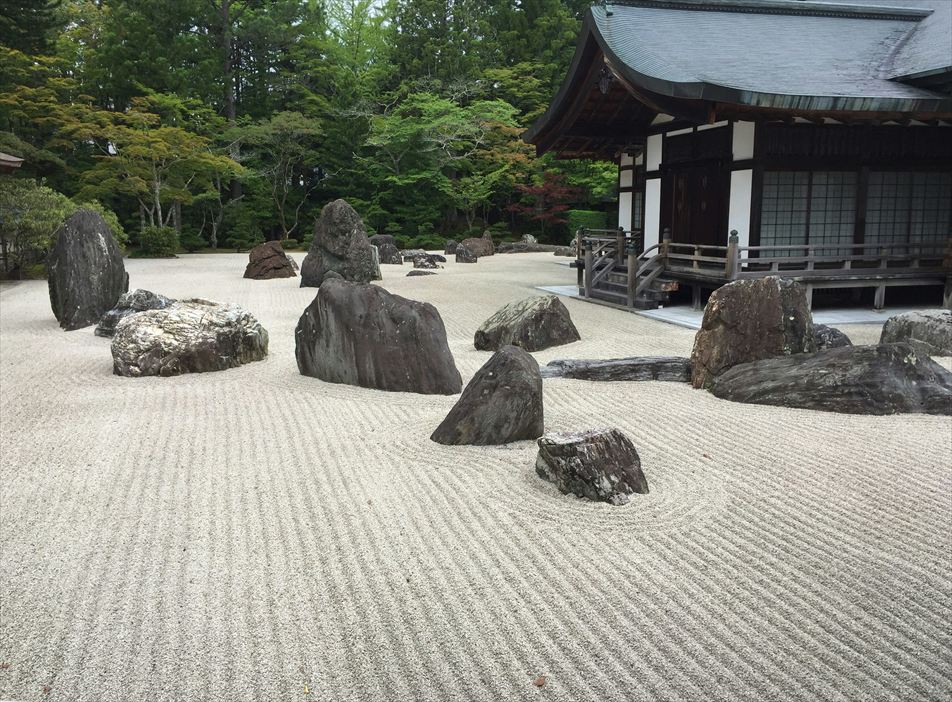
Zen also shaped traditional Japanese gardens and architecture. For example, karesansui (dry landscape gardens) use rocks and sand to represent natural scenery. In architecture, the shoin-zukuri style, which features tatami mats and sliding doors, reflects simplicity and harmony. These elements continue to influence modern Japanese design.
Originally published on Apr. 10, 2026