Natural Disasters in Japan
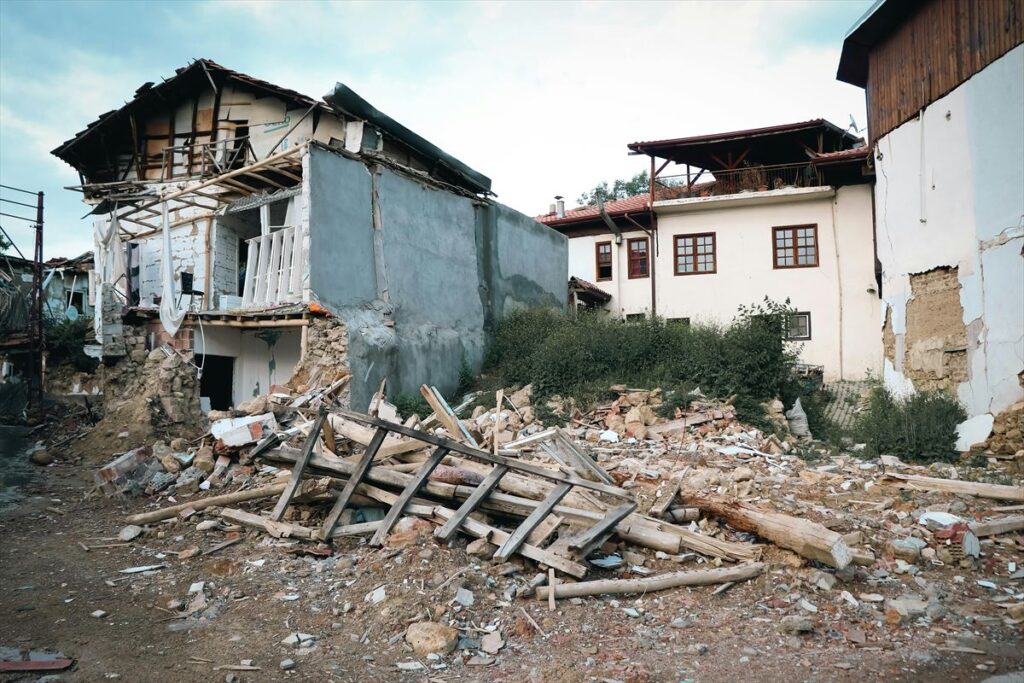
Japan has many natural disasters. These include earthquakes, typhoons, tsunamis, and heavy rain. A major example is the Great East Japan Earthquake in 2011. A huge tsunami followed the earthquake, and a nuclear accident also happened. About 20,000 people died or went missing. Another example is the Great Kanto Earthquake in 1923, which caused about 100,000 deaths.
Typhoons
Typhoons come to Japan mainly from summer to autumn. In the past, they caused very serious damage. For example, the Isewan Typhoon killed more than 5,000 people. Today, damage tends to be lower, but strong typhoons can still cause serious problems.
Technology and Preparedness
Japan has improved its technology to deal with disasters. Buildings are much stronger now, especially against earthquakes. This helps reduce damage and save lives. In architecture, Japan has many winners of the Pritzker Prize. I think frequent natural disasters are one reason for this progress.
Why Earthquakes Happen
Japan sits near several tectonic plates. This makes earthquakes more likely. Japan is also a volcanic country, with more than 100 active volcanoes. Because of these conditions, earthquakes and volcanic activity happen often.
My Experience with Earthquakes
People from countries without earthquakes are often surprised. In Japan, earthquakes happen almost every day somewhere. I live in Tokyo, and I feel an earthquake about once a month. Big earthquakes do not happen often, but I sometimes feel medium ones. When I feel a shake, I think, “Oh, here it comes.” Many Japanese people stay calm because they are used to it.
Modern Typhoon Response
Today, Japan prepares well for typhoons. Weather forecasts are very accurate. When a strong typhoon is coming, trains and flights sometimes stop in advance. These actions help reduce damage and keep people safe.
Advice for Visitors
If you visit Japan and face a natural disaster, watch the people around you. I think this is the best way to stay safe. Many Japanese people know how to act in emergencies. If you follow them, you can respond more calmly and safely.
Originally published on Apr 26 2026