Many people who have an interest in Japan have probably heard the words wabi and sabi. They are natural ideas for Japanese people, but they are often difficult for foreigners to understand. These two ideas are essential to understanding Japanese culture. They have also shaped the way Japanese people see beauty and the world.
What Is Wabi?
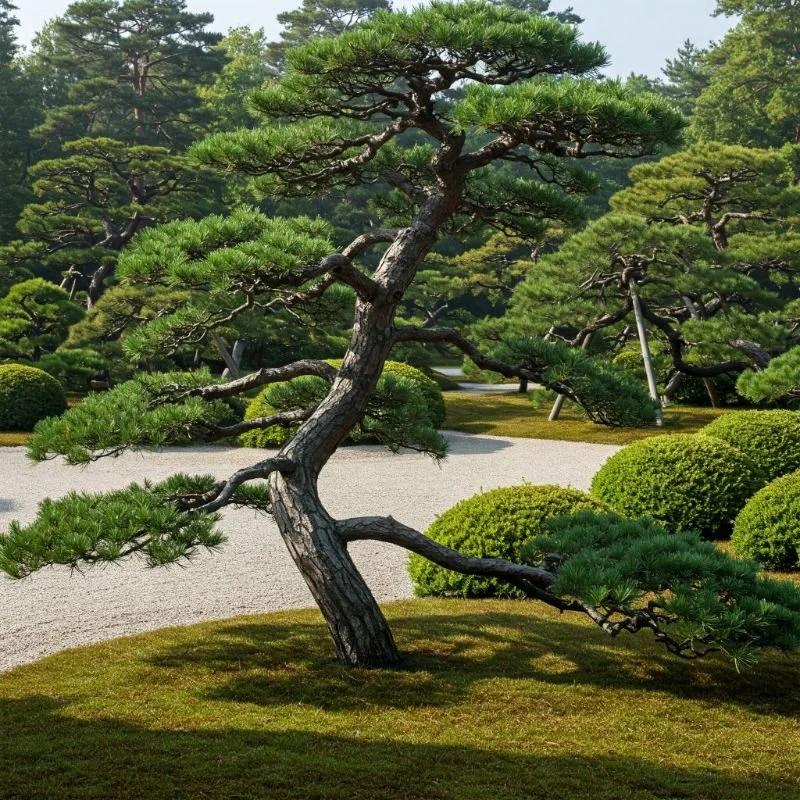
Wabi is the idea of finding beauty and richness of heart in simplicity and imperfection. The opposite of simplicity is luxury. The opposite of imperfection is perfection. These opposite ideas help explain the unique Japanese sense of beauty.
Imagine a tree in a garden. It is an ordinary tree, but its branches bend naturally and its leaves grow unevenly. A Japanese person may see beauty in that natural imperfection. This is one example of wabi.
What Is Sabi?
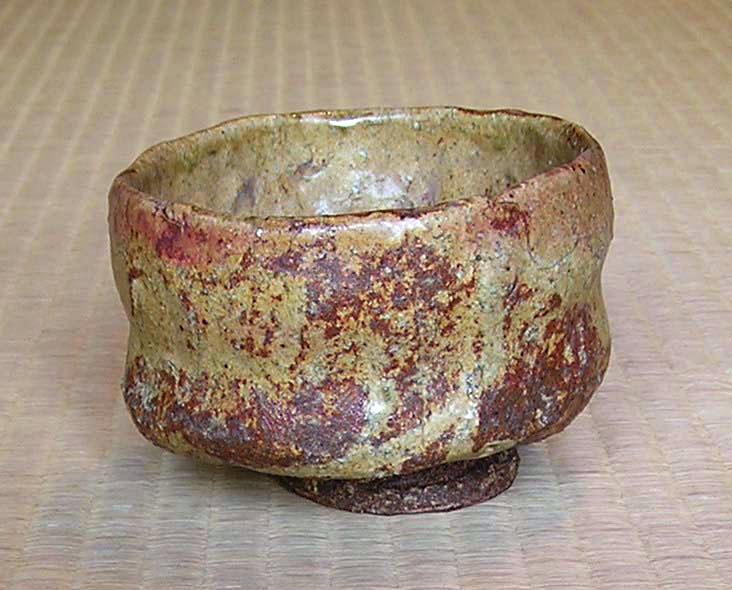
Sabi is the beauty that comes with the passage of time. A faded wooden pillar, a well-used tea bowl, or rusty iron can all have a quiet beauty. In this sense, sabi is similar to the Western idea of antiques.
The Tea Ceremony and Wabi-Sabi
The words wabi and sabi have existed for many centuries. During the 15th and 16th centuries, the Japanese tea ceremony gave them their present meaning as an aesthetic philosophy. Sen no Rikyu played a major role in developing and spreading these ideas.
The tea ceremony is a traditional Japanese practice in which the host prepares and serves matcha to guests. It places great importance on the spirit behind each action. This spirit is called Wa-Kei-Sei-Jaku, which means harmony, respect, purity, and tranquility.
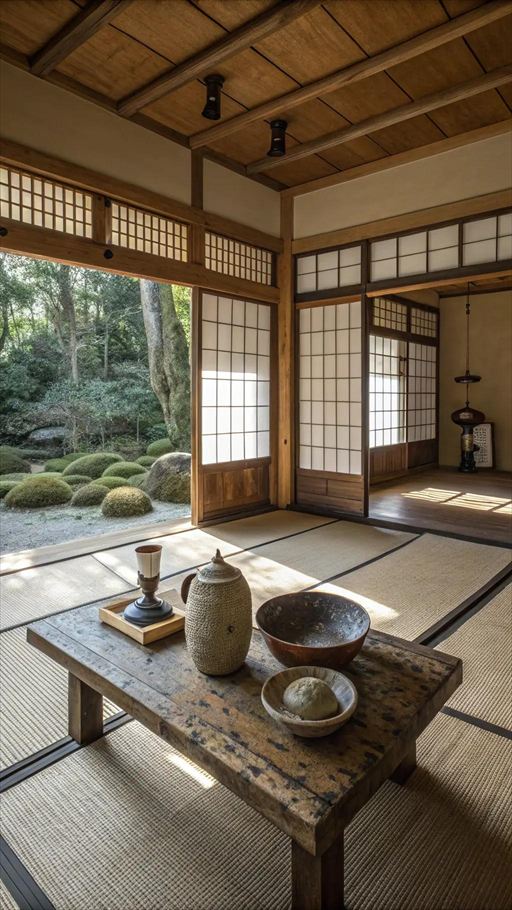
These four values are central to the tea ceremony. They encourage harmony with nature and with other people, respect for others, purity of both mind and surroundings, and a peaceful atmosphere. I believe these ideas still have a strong influence on Japanese values today.
Why Wabi Is Hard to Understand
Compared with wabi, sabi is easier for many Western people to understand because it is close to the idea of appreciating antiques and old objects. Wabi, however, is often more difficult to understand. Western cultures have traditionally placed greater value on luxury and perfection.
If you take someone with this cultural background into a Japanese tea room and ask them to feel wabi, they may not understand it right away. The idea of finding beauty in simplicity and imperfection is probably not common in many parts of the world.
My Experience in a Japanese Garden
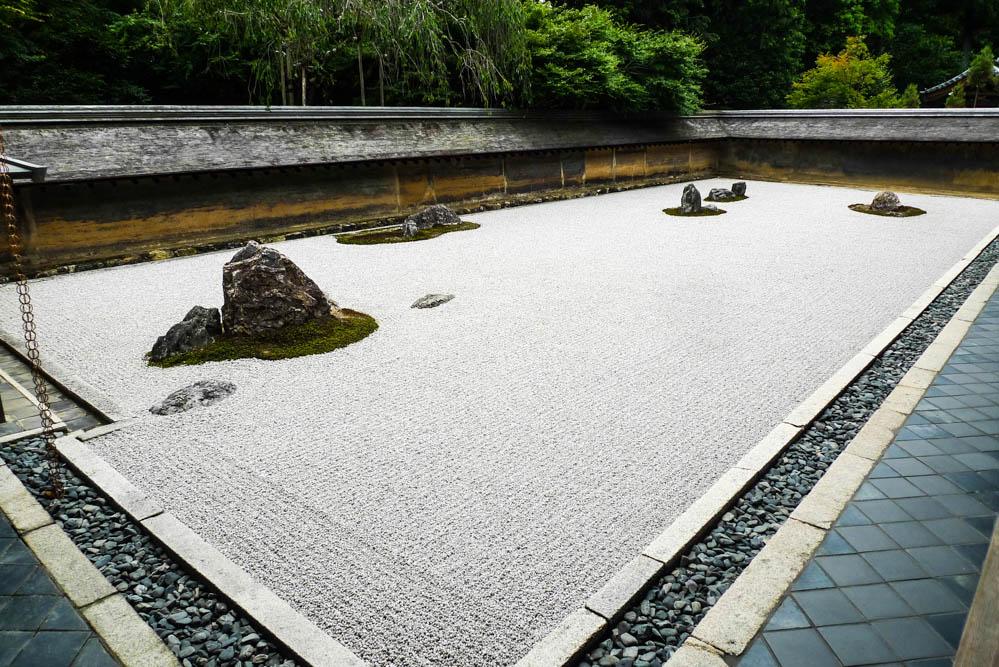
When I visit a Japanese garden with foreign guests, I sometimes point to a tree with bent branches and uneven leaves and say, “Isn’t this tree beautiful?” They occasionally look at me with surprise. Every time this happens, I feel that this kind of beauty comes naturally to people who have grown up with Japanese culture.
Why Japanese People Avoid Flashiness
Japanese people also tend to avoid things that look too flashy. I believe this way of thinking is connected to wabi and sabi.

For example, people who wear many large gold accessories are often viewed negatively in Japan. This does not mean wearing gold is wrong. However, many people may feel that such accessories show a strong desire to attract attention or show off. From the viewpoint of Wa-Kei-Sei-Jaku, this can seem to disturb harmony with the people around us.
My Thoughts
Personally, I like the idea of wabi. It is not only about physical objects. It also reflects a way of thinking and a state of mind. I believe it is one of the greatest ideas that Japan can share with the world.
Originally published on July 12 2026