Cleanliness
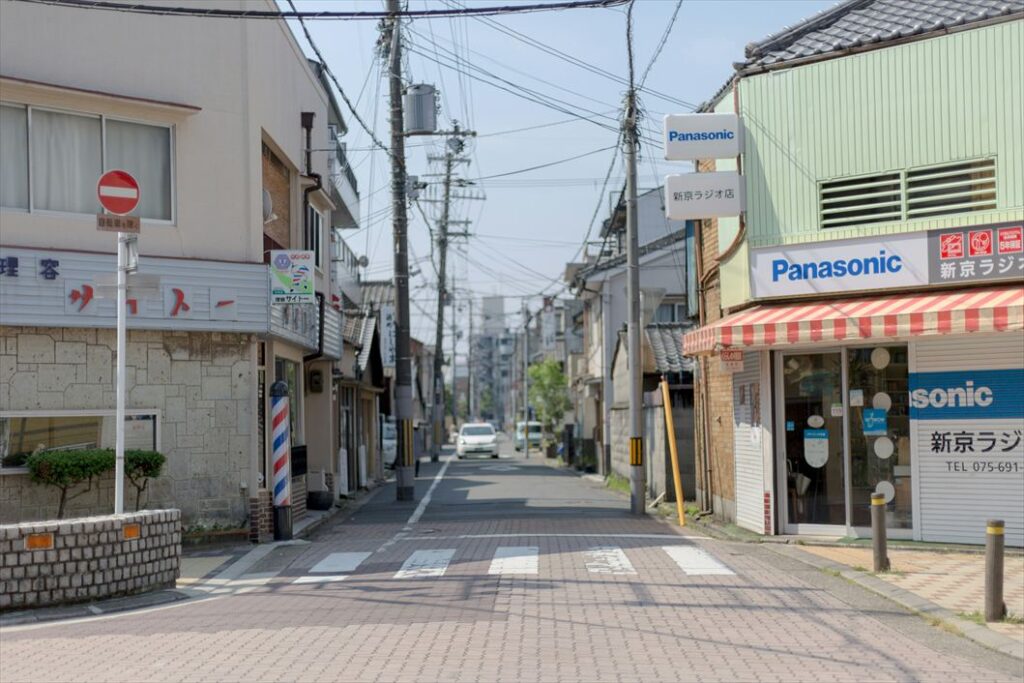
Many visitors notice how clean Japan is. Streets are usually free of trash. Buildings are tidy, and restaurants are often very clean. I think this is partly influenced by Shinto and Buddhism. In Shinto, purification is very important. When people visit a shrine, they wash their hands and rinse their mouth before praying. This is not only about physical cleanliness, but also about cleaning the mind. In Buddhism, cleaning is sometimes seen as a form of practice. Because of these ideas, keeping things clean feels natural to many Japanese people.
Group-Oriented Behavior
Japanese people are often described as group-oriented. You can see this in sports. For example, when people talk about Japan’s national soccer team, they often say it is “well organized.” Players communicate and move together. I think this comes from Japan’s history as an agricultural society. Rice farming requires cooperation. People need to manage water, prepare the fields, plant, and harvest together. No one can do it alone. Rice was also used as tax in the past, so a good harvest was very important for society. Because of this, working with others and staying in harmony became important.
Bowing
Bowing is a very common custom in Japan. It means bending your upper body forward with a straight back. It is not just moving your head. There are different types of bows. A light bow (about 15 degrees) is used for casual greetings. A deeper bow (about 30 degrees) is common in business. The deepest bow (about 45 degrees) shows deep thanks or apology. Bowing developed through different influences. It comes from Buddhist practices like prayer, but it was also shaped by Confucian ideas and samurai culture. It is a good example of how Japan takes outside ideas and turns them into something unique.
Accepting and Adapting Outside Culture
Japan has a long history of accepting ideas from outside and adapting them. Buddhism is a good example. It came from India through China and Korea, but it developed in a unique way in Japan. Zen, in particular, grew strongly in Japan. It influenced many cultural fields such as tea ceremony, flower arrangement, ink painting, gardens, and architecture.
A modern example is mobile phones. Japanese phones developed in their own way, sometimes so unique that they could not be used outside Japan. This is often called the “Galapagos effect.” This is my personal view, but I think this attitude may also relate to nature. Japan has many natural disasters like earthquakes, typhoons, and tsunamis. People cannot fight nature. Instead, they accept it and try to adapt. I feel this mindset also applies to culture from outside.
The Word “Sumimasen”
Japanese people say “sumimasen” very often. For many Westerners, this can feel strange because it sounds like “sorry,” which is used only when you did something wrong. I had this experience myself. When I said “Sorry” in the United States, someone asked me, “Sorry for what?”
In Japan, “sumimasen” is not only an apology. People use it to get attention, to make a request, or even to show small thanks. I think this comes from the idea of harmony. In the tea ceremony, there are four key concepts: harmony, respect, purity, and tranquility. “Sumimasen” seems to express harmony and respect. People use it to avoid conflict and keep communication smooth. This one word shows an important part of the Japanese mindset.
Originally published on Apr. 21, 2026