A Very Important Season
New Year is a very important time for Japanese people. In general, people think of New Year as January 1 to 3. This period has strong roots in Shinto ideas. People believe that a deity called Toshigami (the New Year god) visits each home. Because of this, people start preparing before the end of the year.
Cleaning the Space and the Mind
At the end of the year, people do a big cleaning called Osoji. They clean not only their homes, but also offices and public spaces. I think this comes from the idea of purification in Shinto. People want to clean both their space and their mind before the New Year.
People also have Bonenkai (year-end parties). At these parties, people talk about the past year, thank each other, and reset their feelings. So, I see Osoji as physical cleaning, and Bonenkai as mental cleaning.
Welcoming the New Year
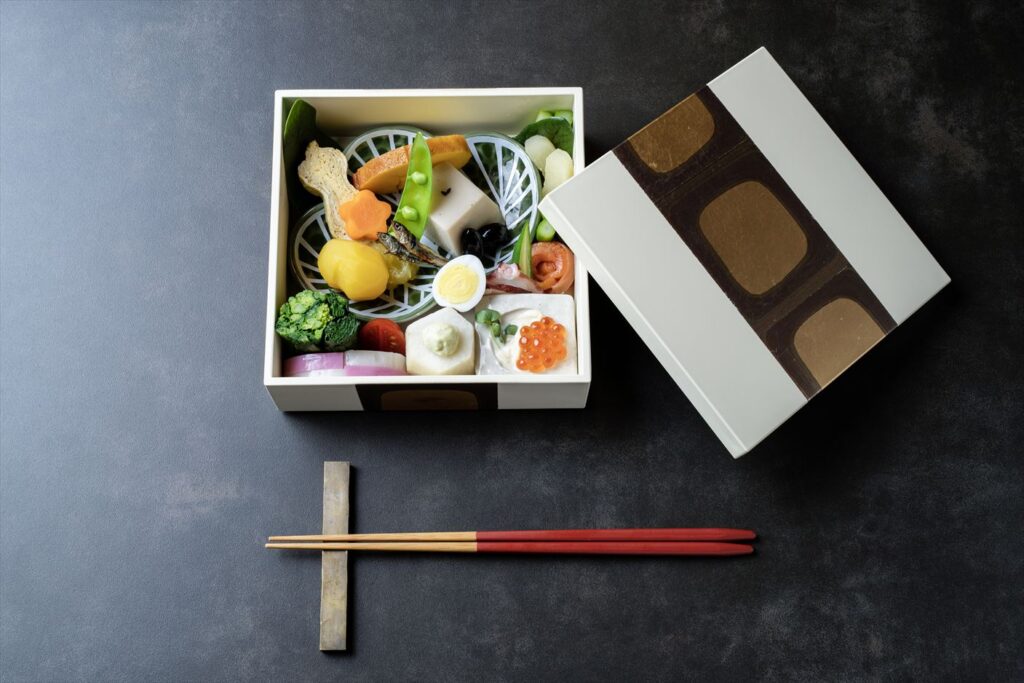
After cleaning both body and mind, people welcome the New Year and the Toshigami. During New Year, families gather and wish for happiness. They eat special food called Osechi. People prepare Osechi before New Year. It lasts for several days, so they do not need to cook during the holiday. Each dish also has a special meaning for good luck.
Family and “Going Back Home”
Another important holiday is Obon. This comes from Buddhism, and people welcome the spirits of their ancestors. There is a saying: “We rest during Obon and New Year.” Both are important times, but New Year is especially important for family gatherings.
At the end of the year, I often hear conversations like:
“Are you going back home this year?”
“My parents told me to come back.”
This shows how important it is for families to be together.
First Shrine Visit
At the beginning of the year, many people visit shrines. This is called Hatsumode. People pray for health, success, and happiness. Since New Year has strong Shinto roots, many people go to shrines. But some people also visit temples. In Japan, people feel comfortable with both Shinto and Buddhism. They choose shrines or temples depending on the situation.
Originally published on Apr. 22, 2026