What Is Kabuki?
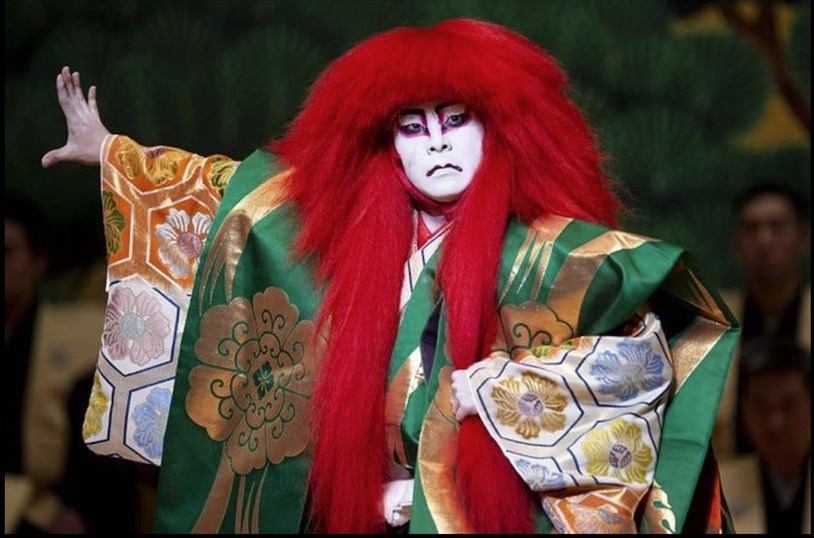
Kabuki is a traditional Japanese performing art. It started and developed in the Edo period, from the 17th to the 19th century. Kabuki has unique movements and rhythmic speech. It also uses colorful makeup and gorgeous costumes.
The Origin of Kabuki
Kabuki began around 1600 in Kyoto. A woman named Izumo no Okuni performed dances at a shrine. Later, many women performed Kabuki. However, the government banned them. It worried about public morals and social order. Young men then performed Kabuki, but the government banned them as well. In the end, adult men performed all roles. This style continues today.
Onnagata: Male Actors Playing Female Roles
Male actors play female roles in Kabuki. People call them “onnagata.” They use careful movements, facial expressions, and eye contact. They show an ideal image of women. I find their performance very refined and powerful.
Popular Entertainment in the Edo Period
Kabuki became very popular among common people, especially townspeople. The Edo period was relatively peaceful, so people enjoyed entertainment. Kabuki actors were like modern celebrities. Artists often used them as subjects in ukiyo-e prints.
The Kabuki Theater and Stage Features
In Tokyo, you can visit Kabukiza Theatre. The stage has special features. A long runway called “hanamichi” goes through the audience. The stage can rotate. Actors can also appear from below the stage using lifts. These ideas were very advanced at that time. They are still important in Kabuki today.
A Family Tradition
Kabuki follows a family system. Skills and stage names pass from parent to child. This idea appears in many traditional arts in Japan. It helps keep the tradition alive.
Modern Kabukiza Building
The current Kabukiza building in Ginza, Tokyo, opened in 2013. It keeps a traditional look and adds modern functions. Several experts worked on the design. Kengo Kuma also took part as a supervisor.
Why the Name “Kabukicho”?
There is an area in Shinjuku called Kabukicho. The name comes from a past plan to build a Kabuki theater there. However, the plan was never completed.
Originally published on Apr 30 2026